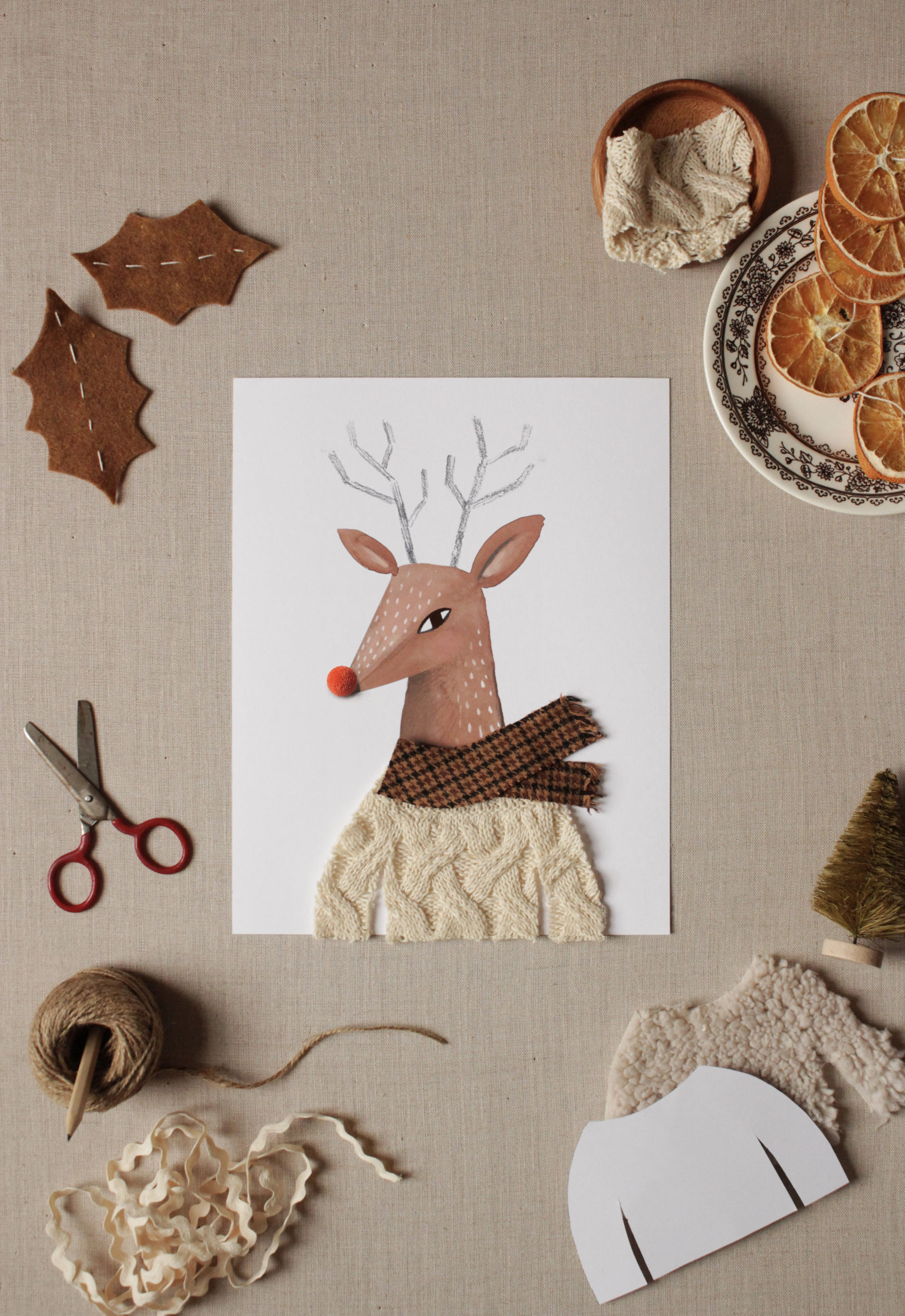
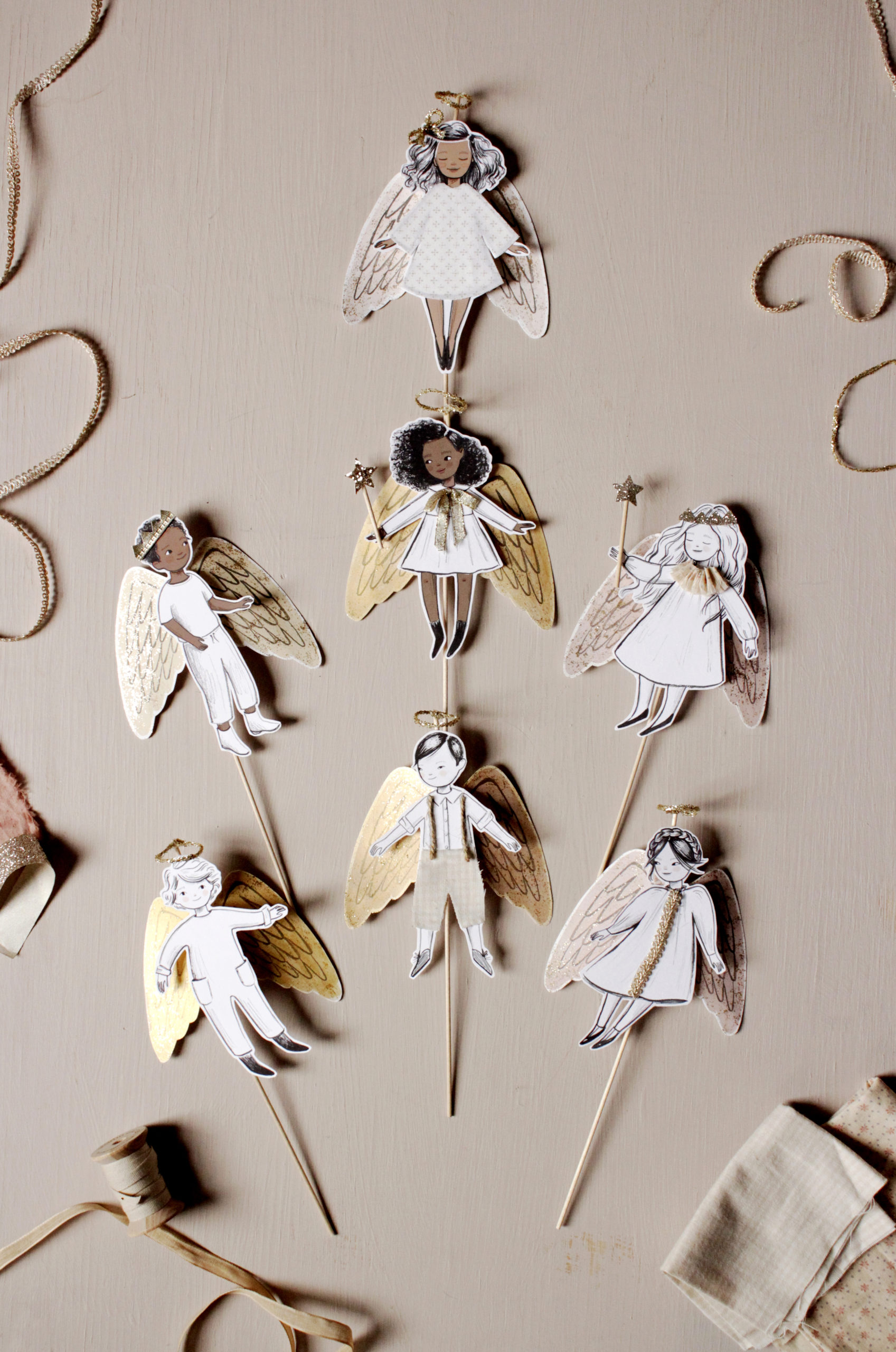
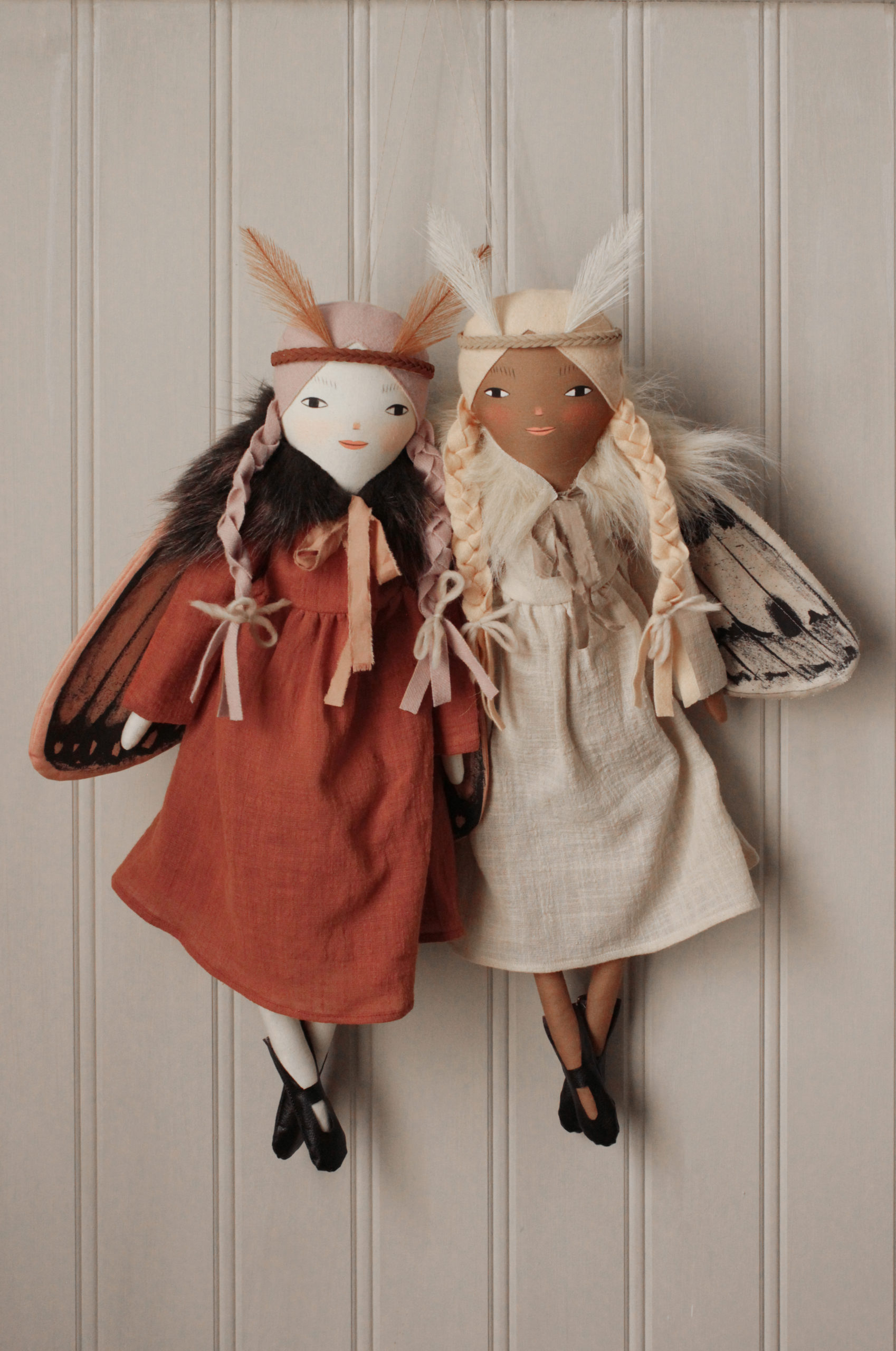
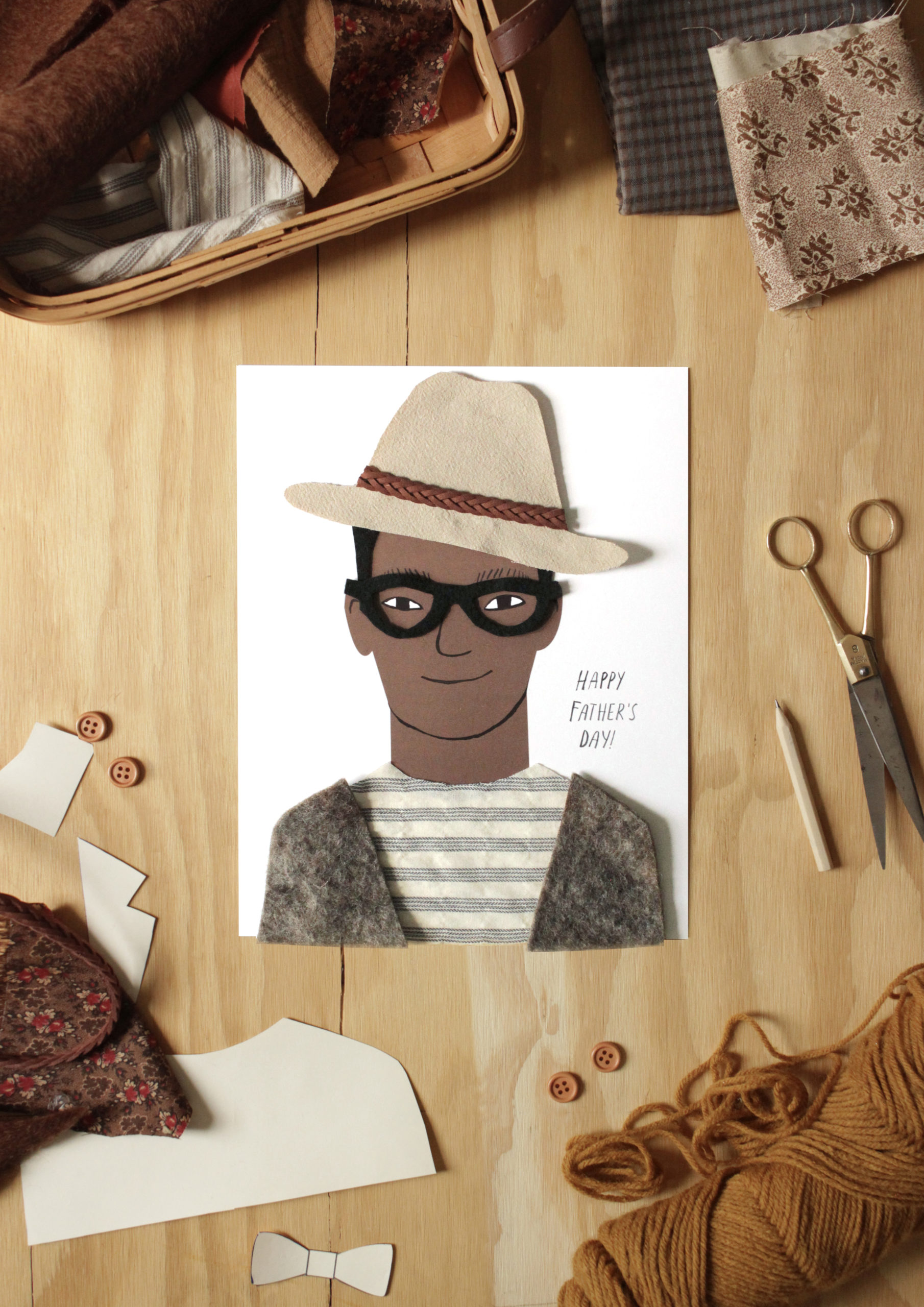
So it’s been quiet on the blog as of late. This usually just means that I am up to my neck in motherhood and several projects…projects that I’m getting crazy excited to share with you when the time is right!
The boys are rapidly wrapping up school and we are also in the middle of moving (yes, we’re terribly sad to leave this home – our favorite by far. And let’s be honest, there are few things in life that stress me out more than moving…big deep breath…) so things are a bit hectic to say the least.
And to keep little hands busy while we toil away we of course often have a few art supplies on hand. I don’t do a lot of process art projects on my blog – where it’s all about the experience of working with the medium as opposed the end result but I do feel like it’s valuable. Kids love it and it’s a good opportunity to familiarize themselves with art mediums, color and their own inclinations. And it’s just a nice release for them.
Having said that…I don’t think it’s the only avenue of artistic expression for children. Often times we think we have to let the child choose everything…the colors, the medium, the topic, etc. We’re afraid that if we put too many parameters on their art, that we will be stifling them, not letting our kids really express themselves, etc. But through my artistic journey I have found that nothing gets the creative juices flowing like “restrictions”. If you narrow your options, then all of the sudden the ideas just start flowing…Take for example Picasso. He was an exceptionally talented realist for a while and then he transitioned into what we call his “blue” period where he literally painted everything in blue. Through this restriction his voice suddenly began to reveal itself. He then went on restricting himself and the cubist Picasso we know and love today was largely born out of this shift in approach and how he viewed the world through his art.
Another way of looking at it is by comparing the learning of visual art to other artistic fields, such as dance. Of course the parallels are not perfect (as all art forms have their own unique parameters and applications) but I still think it’s an effective comparison. Take for example free style dance. It’s great for kids as it helps them to let loose, to familiarize themselves with their bodies, to exercise and to just let the world go and boogie. It’s great fun right? But when it comes to learning dance you wouldn’t stop there. If you want your child to learn dance as a skill you would enroll them in a class that taught them a specific type of dance, such as ballet, tap, jazz, hip hop, etc. You would perhaps expose them to a number of techniques so that they could then discover which style suited them best. And of course within this process you would assume the teacher would teach a specific technique and expect your child to abide by it. They teacher wouldn’t say, “Oh look at Tommy over there. He’s not doing any of the steps or following any of the directions so we’ll just let him do his thing…I won’t ask him to change what he’s doing as I’m afraid it would stifle his creativity”. No, the teacher would kindly assist Tommy by helping him to connect with the dance technique and would then expect him to follow the steps to the best of his abilities. I believe visual art is very much the same. To actually help our children understand color, shape, design, form and more we need to not only expose them to the processes of it but we need to put parameters on their work. Limit their color pallete, their use of medium, their subject matter, technique and more. This not only helps a child learn about specific mediums but you are in turn teaching them the value of good art and design.
I’m a firm believer that art is a skill that can be taught and that creativity is something that can be cultivated. Yes some kids will be better at it, just as some pick up baseball or the piano as if they had a knack for it from the get-go, but all kids will benefit from the thoughtful exposure to art. Exposure where limits and boundaries are a natural and expected part of the learning process. And trust me, you kids will thank you for it. Their confidence will grow as they see that yes indeed they have the ability to create amazing things, once given the proper technique and tools.